Home › What we buy › Estates and inherited collections
Selling an inherited coin collection in Asheville
When a parent's collection lands with you, the hard part is knowing what you are looking at. We sort the whole thing, write an itemized list and leave the decision with the family.
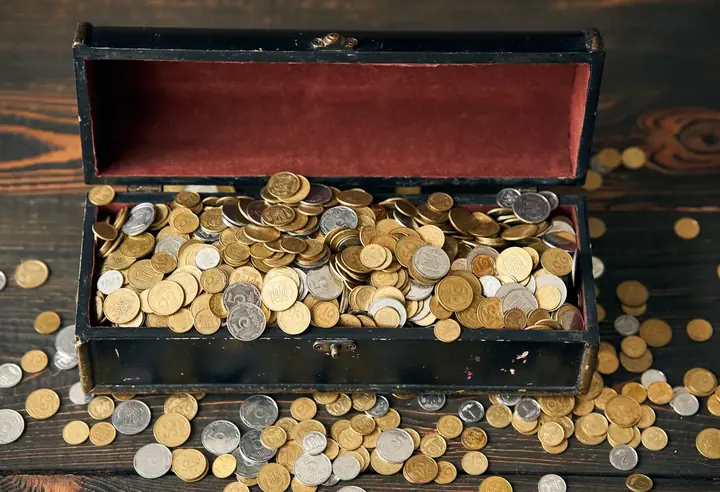
Estates in Asheville and Buncombe County
Asheville has drawn retirees for more than a century, so many of the estates we see were built somewhere else. A collection might start with a paper route in Ohio in the 1950s and end in a condo off Hendersonville Road. Others are pure mountain collections: silver dollars saved from a country store, gold pieces handed down since before the Civil War.
Families often live in different states by the time a house is settled. We can email the itemized list to brothers, sisters or an attorney so everyone sees the same numbers.
Where to look before you call
Coins hide. Before the appointment, check the places collectors and savers used most.
- Safe deposit boxes and home safes
- Dresser drawers and jewelry boxes
- Desk drawers and filing cabinets
- Closet shelves, especially shoe boxes and tins
- Basements, attics and workshop cabinets
- Envelopes tucked inside books or family Bibles
Dividing a collection among heirs
When several children inherit one collection, the fair way to split it is by value, and that requires a list. Ours groups the collection so it can be divided into equal shares, or so one heir can buy out the others at a known figure.
Some families keep a few coins each for sentimental reasons and sell the rest. We can set those aside first and leave them off the offer.
What we find most often
A typical mountain estate holds a few hundred dollars in face value of ordinary coins, a smaller group of silver, a handful of silver dollars and one or two surprises. The surprise might be a gold coin in an envelope, a roll of uncirculated dollars or a graded coin bought decades ago. Finding those is why every piece gets looked at.
Timing and probate
You do not need to wait for an estate to close to get an appraisal. Executors often book early so they know what the collection adds to the estate. We can hold the written figures for collector coins for a week, and we update metal prices on the day of sale.
What estates usually include
- Coin albums, folders and rolls
- Silver dollars and old silver change
- U.S. gold coins and modern bullion
- Proof sets and mint sets
- Sterling flatware and gold jewelry
- Old paper money and foreign coins
- Safe deposit box contents
How an estate is priced
We split the collection into metal and collector pieces. Silver and gold bullion, common silver coins and scrap jewelry are priced by weight against that day's market. Coins with collector demand are graded one at a time and priced on recent sales.
The list we write shows each group, its count or weight and its price. Executors can use it to divide a collection among heirs before anyone decides to sell.
Further reading: Flood-damaged coins: what to do and what they are worth
Questions families ask
Do I need to sort the collection first?
No. Bring it the way you found it. Sorting is part of the appraisal.
Can you give a list for the estate file?
Yes. Every appraisal ends with a written, itemized list you can keep with the estate records.
What if the heirs want to keep some coins?
Mark what stays. We buy the rest and note on the list which pieces the family kept.
Ask for a free appraisal
We call back the same business day to set a private time.